We’ve noticed you’re visiting from NZ. Click here to visit our NZS site.




When you need to hear from the people your decision affects
Engagement processes dominated by the same loud voices lead to changes that don’t serve the communities who need them most. Our stakeholder mapping gives you a clear view of who your decision affects and who usually goes unheard. From that map we build your stakeholder engagement strategy and run the interviews, focus groups, workshops and small surveys that let people shape the decision. In New Zealand that work includes engaging Māori as a practice in its own right. The engagement process can stand alone or sit inside your wider consultation.
-

- From the map we set out when and how to engage each group, so their input arrives while your options are still open.
-

- We design and run sessions for each group in ways they’re most likely to respond to. We then report what each group said, and set out what it means for your decision. For New Zealand Food Safety we ran 20 focus groups with 97 consumers.
-

- We design each session so people can speak without worrying about their status, and we include support for participants and researchers discussing sensitive topics.


When you need to know who to engage, when, and how
A standard engagement process can miss some of the people a decision affects: particularly rural communities, people with lived experience, Māori and Pacific communities. Finding underrepresented stakeholders is what our stakeholder mapping process is for. We then design the engagement so each group can take part in a form that works for them, at a time when their input can still change your outcome.
Engagement also has to hold up afterwards. Your board, your Minister or your community may ask who you engaged and how. Your stakeholder map answers that. The report sets out what each group said and recommendations on what should change as a result.
- Bringing in hard-to-reach groups with no seat at the table. For Hastings District Council, rural communities were 15% of the district's population, yet had no voice in the Council's strategic planning. Our pro bono scoping study put their views in front of the Council.
- Building-in Māori perspectives beyond a single voice. A single voice is tokenism, and people notice. We work to ensure your engagement reaches Māori groups, and treat their contribution as expert advice, sought early and with a premium on their time.
- Engaging before the decision has taken shape. Key stakeholders and communities are often brought in too late to influence decision-making. We set your engagement timetable at the start, group by group, and approach the groups that need the most lead time first.
- Including support when the topic is painful. Interviewing people about violence, discrimination or loss takes interviewers with experience. We build support for participants and for the research team into your project when the topic calls for it.
- Ensuring groups are small enough for everyone to speak. A focus group that is too large, or that mixes service users with the people who run the service, produces acting rather than opinion. We keep groups around four to six people and run separate sessions for different groups.


How we build our engagements
Engagement can be the whole job or part of a bigger process, such as an evaluation or a strategy. If stakeholder discussion feeds a written consultation, we can run both the engagement and the consultation and analyse the submissions. Learn more about our submissions analysis and public consultation here.
Either way, stakeholder engagement starts with a map built from stakeholder analysis, moves to a strategy, and ends in the methods that suit each group. Each step answers one question: the map says who, the strategy says when and how, and the methods are tailored to reach the people affected. Our defaults are small groups, separate sessions for people with lived experience and for providers, and short surveys, down to three questions by text. Two practices run through all three steps: engaging Māori, and sensitivity around difficult topics.
-
Map: Who to engage. The groups with a stake in your decision, from those who have the final say to those who usually go unheard, and what each needs from the process. For Whare Tukutuku's Māori alcohol and other drug workforce plan, that map ran from practitioners to funders.
-
Strategy: When and how. What groups, which method, in what order, and when. For New Zealand Food Safety, stakeholder interviews came first to set priorities and scope, and the consumer research followed from what the stakeholders told us.
-
Methods: Hearing from participants. Interviews, focus groups, workshops, small surveys, and targeted approaches when a group needs one, matched to what each group will respond to. For the Government Inquiry into Mental Health and Addiction, that meant public engagement across 26 locations, with safe and culturally appropriate forums for people with lived experience.
-
Engaging Māori: A practice, not a step. Relationships come before the task. For Whare Tukutuku we opened with mihi whakatau and karakia, as the host groups wished, so that we started with relationship-building. For the Child and Youth Wellbeing Strategy evaluation, senior Māori researchers led our work, and we conducted culturally appropriate engagement with Māori stakeholders.
-
Sensitive topics: Experienced interviewers, with support included. When a topic calls for it, we build counselling support for participants and for the team into the proposal. Further, we make sure our consultants are experienced in dealing with difficult topics. One of our senior consultants began his career interviewing survivors of war crimes at the International Tribunal for the former Yugoslavia. Since then, he has worked on abortion law reform and conversion therapy.

20 Topics
+200 Resources
Need to hear from the people your decision affects?
Book time with an expert.
+60 Webinars
Our process
Every engagement runs through the same five stages, from the stakeholder mapping to the final report. Across those stages, two things separate effective stakeholder engagement from a tick-box exercise: engaging people early enough to matter, and designing each session so everyone can speak.
What we deliver:
- A stakeholder map and engagement plan. The map sets out who you need to engage and why. The plan sets the timing and method for each group, and the materials each session needs.
- An engagement report. What each group said, what it means for your decision, and what we advise should change as a result.


Understand
We start with the decision you want to make, who it affects, who you need to reach, and what could be sensitive about the topic. Interviews with people who know the sector come before the design, so the sessions ask the right questions.

Plan
We map the stakeholders and build your stakeholder engagement strategy: which groups, which method, in what order, and how to engage each group. If the work needs formal ethics approval, we obtain it before fieldwork.

Deliver
We run the sessions: interviews, small focus groups and workshops. We also conduct short surveys. We go to people rather than asking them to come to us. Underrepresented communities take time to reach, so we build that time into your timetable, and we arrange translation services when a group needs them.

Review
We discuss what we heard with you and with the stakeholders who took part, so the report reflects what people said rather than our reading of it. For Manatū Taonga's strategy, that meant regular rounds of testing and feedback with the Ministry's leadership group and with Ngā Uri o Kiwa, representing Māori and Pacific peoples.

Close
We deliver the report, the stakeholder map and the record of who you engaged and how, in a form you can put in front of your board or Minister. If you want a shorter version to circulate, we can also produce a visual summary of the findings.
Related Projects
Related Projects


Projects
Less than a minute to read
Delivering food safety information where it matters most: young, old, pregnant and immunocompromised people food safety engagement
Read More

Projects
Less than a minute to read
Māori AOD workforce strategy tackles critical staff shortages
Read More
Projects
Less than a minute to read
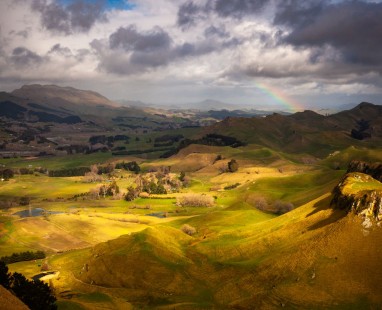
Giving Rural Communities a Voice in Strategic Planning: Rural Resources Strategy
Read MoreFAQs
Frequently Asked Questions
What does stakeholder mapping involve?
Listing who the decision affects, who makes the decision, who influences the decision, and who usually goes unheard, with what each group needs from the process. The map can be a spreadsheet that tracks each stakeholder's role and contacts, noting who engages them and when. It can also be a diagram that ranks groups by impact and shows where they overlap. What matters is that it exists before the engagement starts and drives the choice of method and timing for each group.
Our work affects Māori nationally. What counts as adequate engagement?
More than one voice, and from more than one place, because one person cannot give you the fullness of Māori perspective. We bring in Māori voices from different regions, organisations and positions, starting with Māori already in your organisation. If your timeframe is too short to build new relationships, we say so. We work through existing relationships and recognised spokespeople for iwi and hapū, draw on evidence such as Waitangi Tribunal findings, and say what the engagement can and cannot claim.
How do you engage hard-to-reach groups?
By approaching them in ways they will answer. That has included interviews with the health professionals a community already trusts, targeted online interviews with a rural community board and mana whenua, and a three-question survey by text. We also build in the time it takes to earn trust in a community before we recruit participants from it.
How do you manage difficult stakeholders?
We engage them: loud or angry stakeholders turn up in most processes, and they are usually angry for a reason, so we listen. We also make sure the loudest voice does not outweigh everyone else's. Everyone with a stake gets a chance to take part.
How do you keep people safe on a sensitive topic?
It starts with interviewers who have done this kind of work before. If the work needs formal ethics approval, we obtain it first. On the day, we stop an interview if a story becomes too much for the person telling it, and come back when they’re ready.
If our board or Minister asks who we engaged and how, what will we have to show?
Two things - The stakeholder map, recording who you engaged and how. And the report setting out what each group said and what we advise should change as a result. We test the report with you and with the people who took part before we finalise it.
Can the same team run the engagement and the written consultation?
Yes. If your engagement feeds a written consultation, we can design the stakeholder consultation strategy for the written stage, run the engagement, and analyse the resulting submissions. Learn more about our submissions analysis and public consultation here. Our evaluation pages cover engagement inside an evaluation.
20 Topics
+200 Resources
Need to hear from the people your decision affects?
Book time with an evaluation expert.
+60 Webinars
Learn More
Stakeholder Engagement resources

Past Webinars
45 minute watch
Humanising the Research Experience: From data collection to meaningful connection
Read More

Past Webinars
45 minute watch